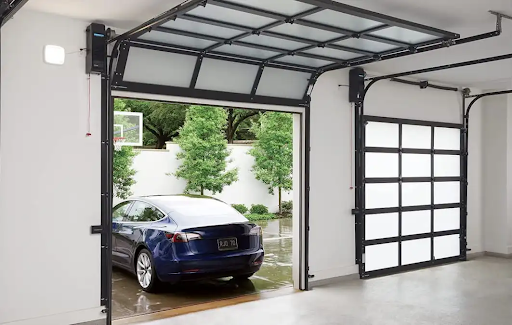
Garage Door Openers Gladstone MO showing signs of failure? Learn when replacement makes sense and get expert help from U-Install Garage Door Store. Call today!
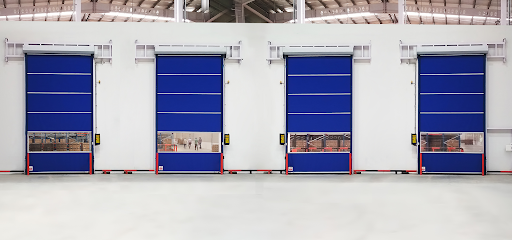
Looking for High Speed Roll Up Doors Liberty MO? Learn how to choose the right commercial door for your facility. Call (816) 745-1372.
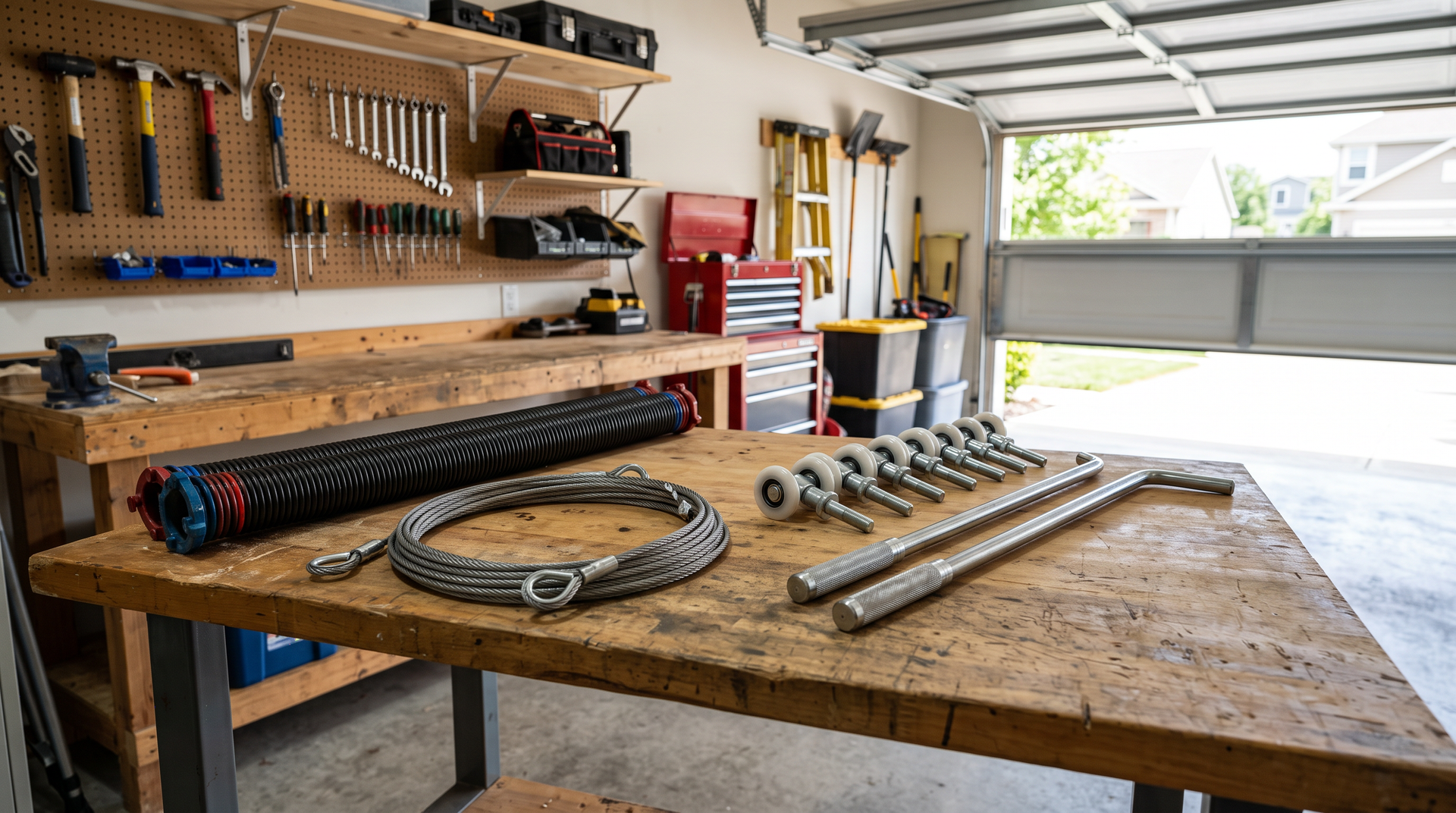
When your garage door breaks down in the Kansas City Metro Area, your daily routine stops instantly. Homeowners are often told that every minor spring break or squeaky roller demands an expensive emergency technician visit. At U-Install Garage Doors, we know most garage door repairs are straightforward mechanical projects that you can safely complete yourself. By equipping you with commercial-grade parts, dedicated safety tools, and clear expert guidance, we help you fix your door correctly, avoid costly contractor markups, and master your home maintenance with complete confidence. Understanding How Your Garage Door Counterbalance System Operates Before picking up a wrench, every homeowner should understand the mechanical physics behind overhead doors. A standard residential garage door weighs anywhere from 130 to over 350 pounds, depending on panel construction, glass inserts, and insulation thickness. Your automatic garage door opener does not lift this massive dead weight through motor horsepower alone. Instead, the entire system relies on a counterbalance spring mechanism that offsets door weight, allowing a heavy door to be opened and closed smoothly with minimal effort. The Mechanics of Torsion Springs vs. Extension Springs Torsion springs are mounted horizontally along a central steel shaft directly above the closed garage door opening. When the door closes, steel lift cables wrapped around aluminum end drums turn the shaft, winding the springs and storing mechanical energy. As the door opens, the springs release this stored torque to lift the door panels along the curved tracks. Extension springs, commonly seen in older homes across Gladstone and Kansas City, run parallel to the horizontal overhead tracks and stretch longitudinally to provide lifting assistance via a pulley cable system. Why Counterbalance Balance Matters for System Longevity When any single part of the counterbalance system fails or loses tension, excess load is transferred to surrounding hardware. Worn-out rollers increase friction against track curves, fraying cables risk dropping the door unevenly, and unbalanced springs force the opener motor to strain under heavy resistance. Addressing worn parts proactively prevents cascading mechanical damage and keeps your entire system working safely. Why DIY Garage Door Repair Makes Sense for Kansas City Homeowners Living in the Midwest means dealing with severe seasonal climate swings. In the Kansas City Metro Area, temperature ranges from humid summer heatwaves to sub-zero winter cold snaps cause metal components to expand and contract repeatedly. This constant thermal movement accelerates spring metal fatigue, dries out builder-grade grease, and causes track fasteners to loosen over time. Eliminating Costly Contractor Markups and Service Calls Many traditional repair companies charge expensive trip fees, emergency rates, and heavy markups on basic hardware. At U-Install Garage Doors, we provide an over-the-counter supply model that lets you purchase the exact commercial-grade parts you need without paying for unwanted labor or inflated service packages. You get the job done on your own schedule while saving hundreds of dollars. Access to Commercial-Grade Hardware Big-box retail stores often stock light-duty universal replacement parts rated for only 5,000 to 10,000 cycles. We stock professional, high-cycle oil-tempered springs, sealed 13-ball-bearing nylon rollers, and 7x19 aircraft cables that provide superior durability and quieter operation for local homeowners. 🛡️ DIY Safety Rules: “The Code” Garage door repairs are manageable and cost-effective, but high-tension components must always be handled with respect. Follow these four mandatory safety rules every time you work on your door: Rule #1: Use the Right Tools. Never use a screwdriver, punch, or rebar pin to wind or unwind a torsion spring. Screwdrivers can snap or slip out of the winding cone, causing severe physical injury. We rent professional 1/2-inch and 7/16-inch hardened steel winding bars that seat securely into the winding cones. Always use professional winding bars. Rule #2: Respect the Tension. Always assume every spring, bottom bracket, and lift cable is fully loaded with active tension. Never loosen bottom corner bracket bolts while the door is down and cables are connected to the spring shaft. Rule #3: Clear the Area. Keep children, pets, and bystanders completely out of the garage and away from the door perimeter whenever you are adjusting springs, cables, or overhead tracks. Rule #4: If You’re Stuck, Call Us. If you get halfway through your project and feel uncertain about spring counts, shaft alignment, or balance, stop immediately. Do not force components. Call our team at 816-745-1372 for direct DIY advice. Essential Components in a Comprehensive DIY Repair Kit Having the correct parts before starting your repair ensures a smooth, uninterrupted fix. Here is a breakdown of the vital hardware components that make up a reliable DIY overhead door kit:
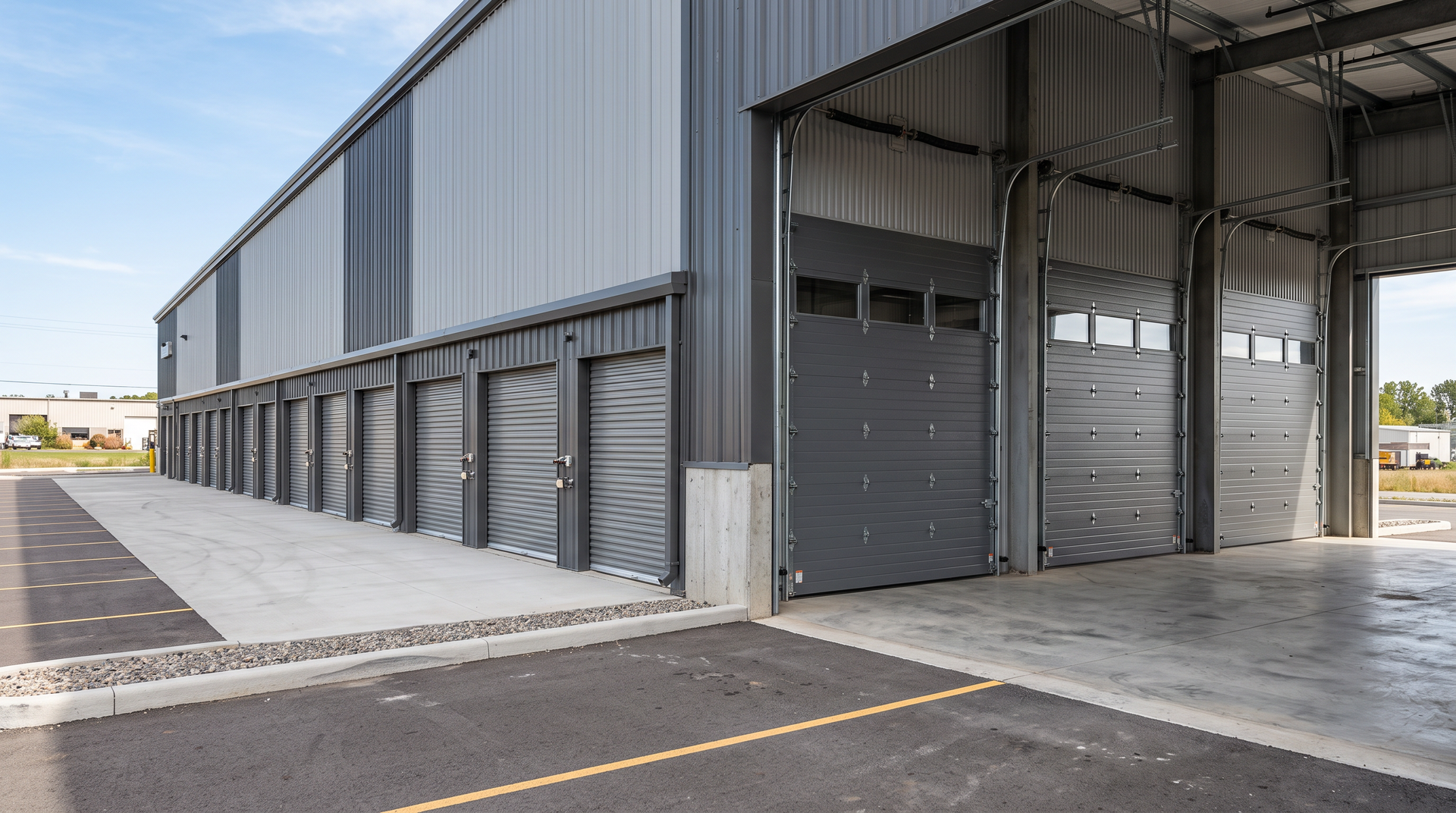
Comparing curtain and rolling steel doors for your KC Metro storage or industrial property? See wear points, wind load, and sizing tips before you order.
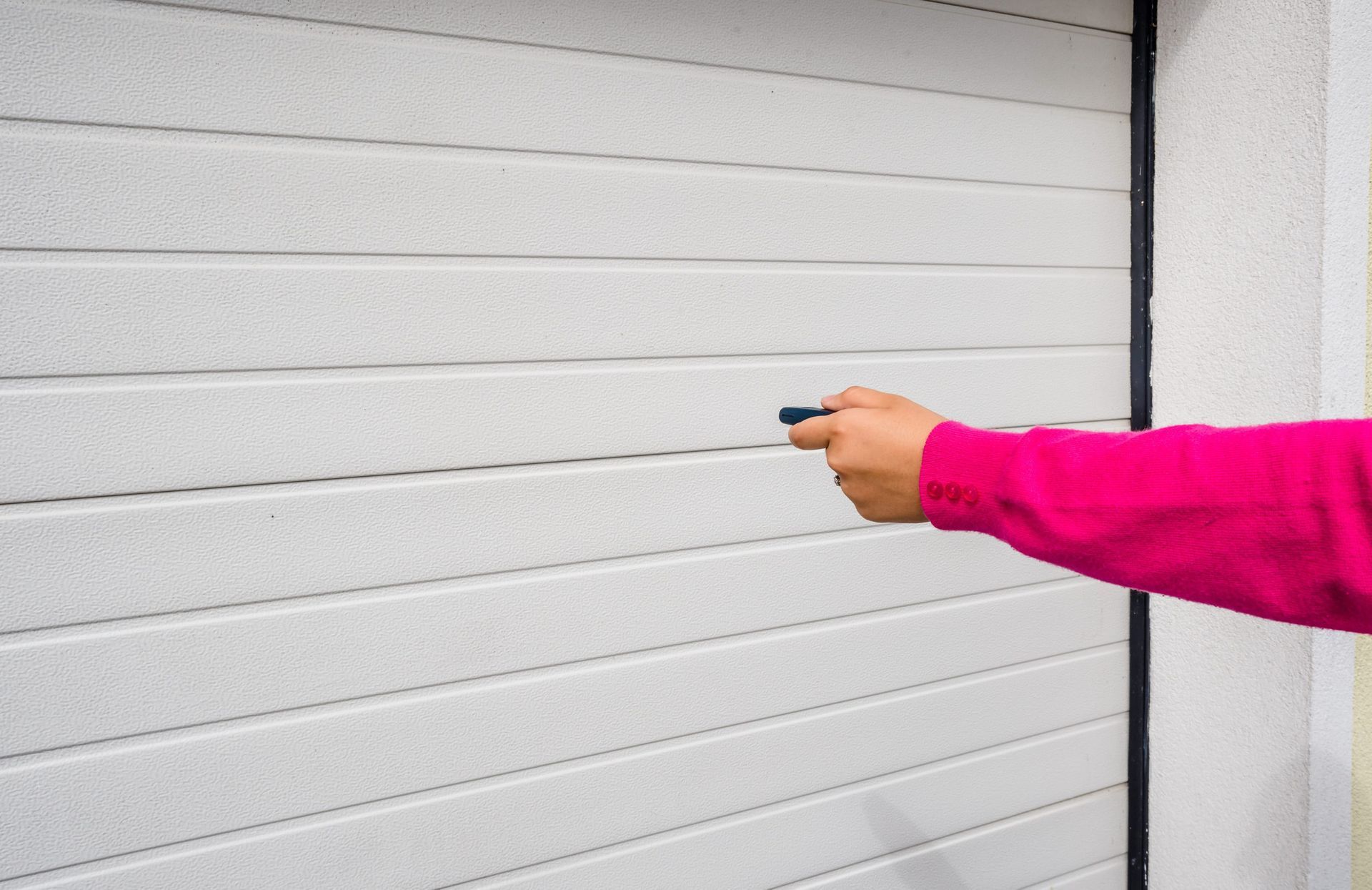
Kansas City heat and humidity strain garage door openers. Learn which parts to check and replace yourself before August damage sets in.
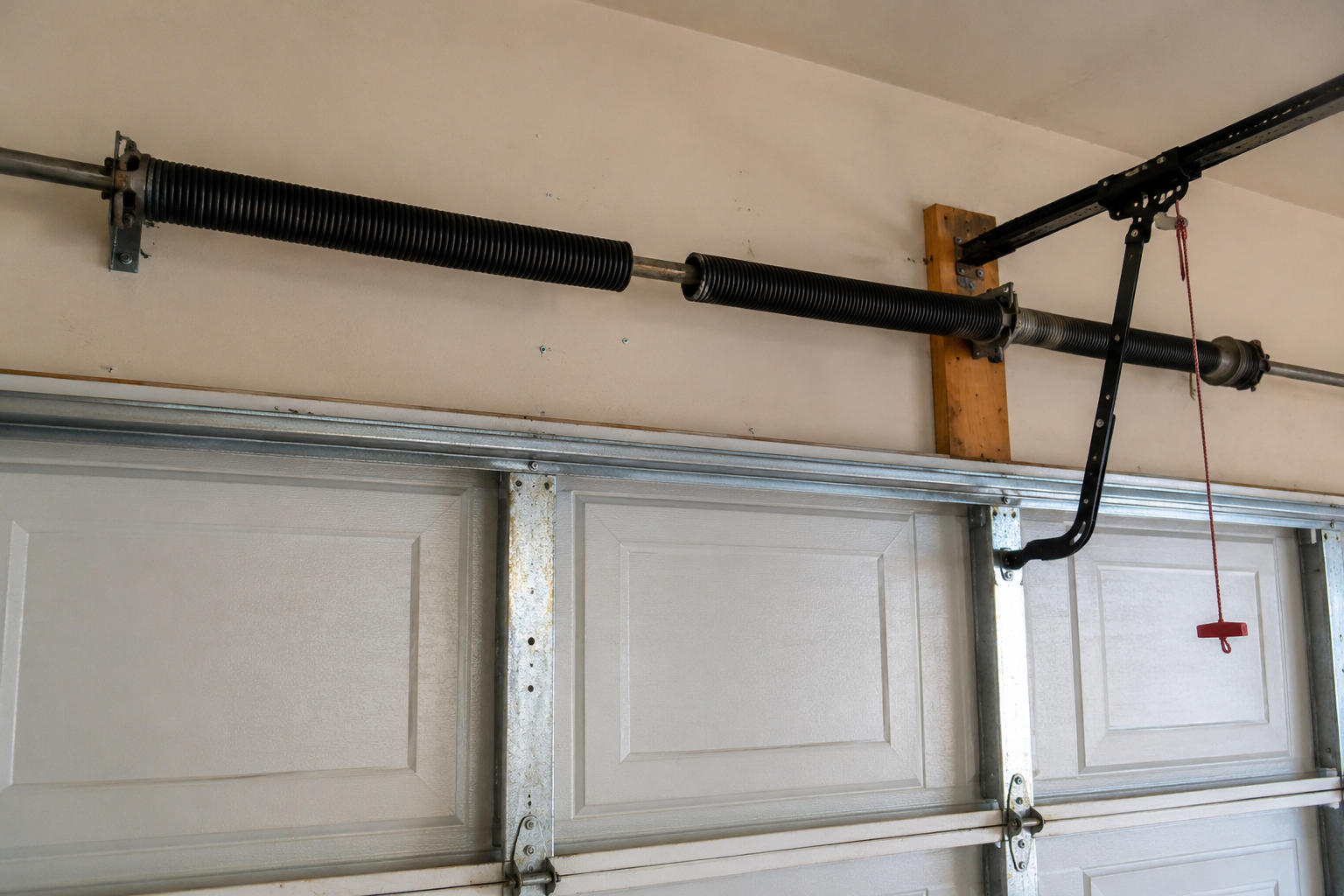
Learn the exact signs your garage door spring is failing with this KC homeowner's checklist. Covers visual checks, the balance test, and how to order the right replacement spring.

Kansas City's weather accelerates wear on springs, rollers, cables, and more. Learn which garage door parts fail fastest in KC and how to stay ahead of repairs.
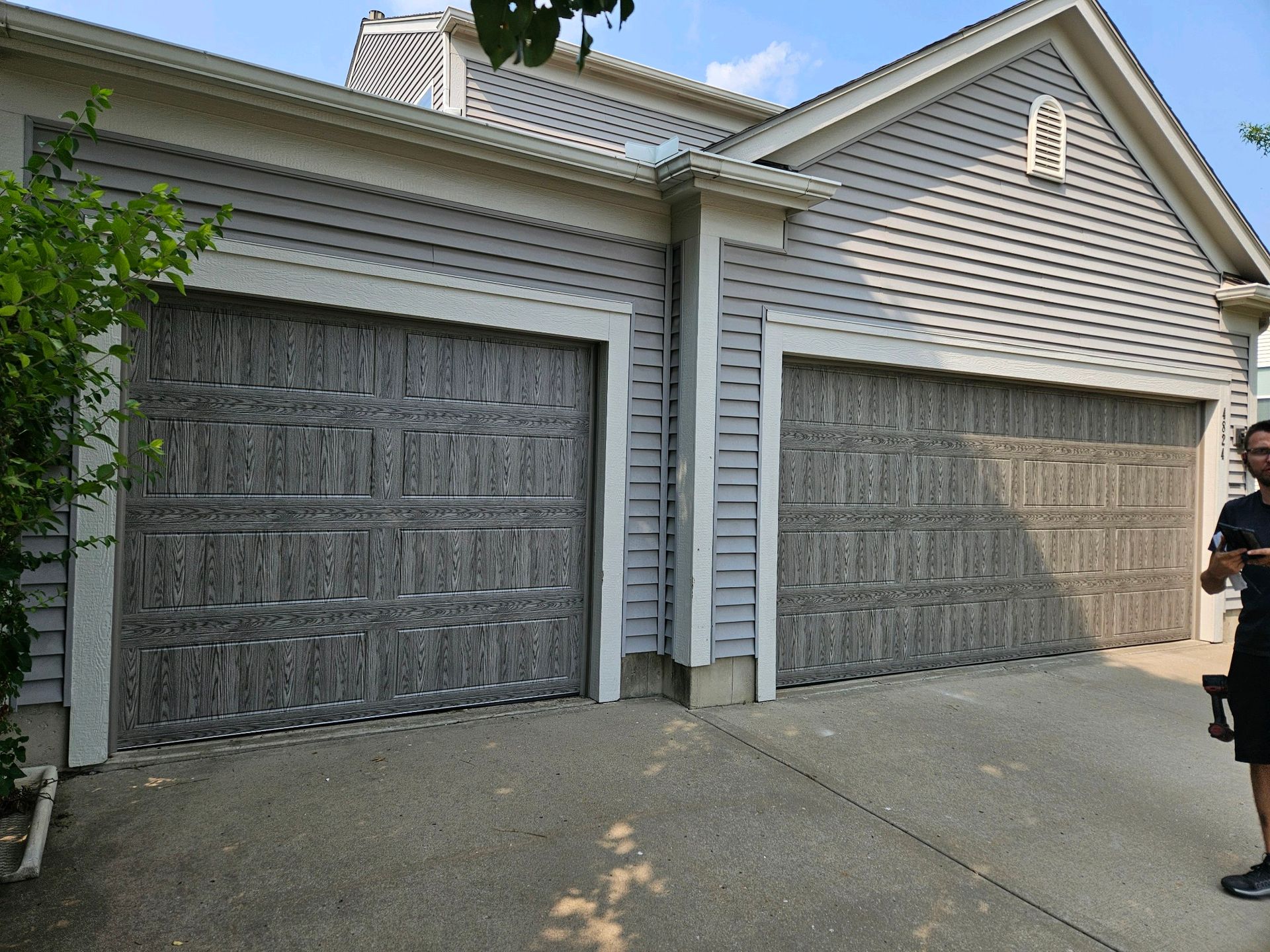
Learn why Gladstone homeowners must inspect springs, rollers, and cables before the Missouri humidity hits with our latest blog.

Discover safety risks caused by worn garage door parts in Kansas City MO. Shop reliable Garage Door Parts Kansas City MO at U-Install Garage Door Store today.