Why Gladstone Homeowners Should Inspect Their Garage Door Hardware Before the Humidity Hits
Your garage door is one of the most used mechanical systems in your home, and it’s also one of the most vulnerable to moisture-related damage. When humidity levels rise in Gladstone, metal components begin to oxidize, lubricants break down, and structural materials expand. These changes don’t just affect performance, as they create real safety risks.
Inspecting your garage door hardware before the peak of summer isn’t just preventative maintenance. It’s a strategic move that helps you avoid emergency repairs, extend the life of your system, and keep everything operating safely when conditions are at their worst.
How Does Humidity Affect Garage Door Hardware in Gladstone?
When moisture builds up, it settles into small gaps in hinges, rollers, and tracks, mixing with dust and debris to form a gritty residue. Over time, this creates added friction, accelerates wear, and puts extra strain on moving components.
Steel parts are especially vulnerable, as prolonged exposure can weaken protective coatings and lead to corrosion. If left unchecked, seasonal heat can worsen the issue by causing metal components to expand and bind, affecting overall performance and alignment.
Oxidation Risks
Surface rust on springs, cables, and other metal parts may seem minor, but it can quickly develop into deeper corrosion. This weakens the integrity of critical components, increasing the risk of fractures or sudden failure under tension.
Lubrication Breakdown
Humidity can dilute or degrade low-quality lubricants, causing them to lose effectiveness or wash away entirely. Without proper lubrication, metal parts grind against each other, leading to faster wear, noise, and potential system damage.
Material Swelling
Moisture doesn’t just affect metal; wooden frames and door panels can absorb humidity and expand. This swelling can push the door out of alignment, making it harder to open and close smoothly while placing additional stress on the entire system.
Why Are Rollers the First Line of Defense Against Moisture?
Rollers are one of the most active and vulnerable components in your garage door system. Because they guide the door along the track, any increase in friction or wear immediately affects how the door moves. In humid environments, traditional steel rollers are prone to rust, especially if their bearings are not sealed. Once corrosion begins, it compromises rotation, leading to vibration, noise, and uneven movement. Over time, this places additional stress on hinges and tracks.
Modern nylon rollers with sealed bearings perform better in moisture-heavy climates because they resist rust and maintain smoother operation under load. Replacing worn rollers early improves system efficiency and reduces long-term wear across connected parts. You should focus on:
- Surface wear such as cracks, chips, or flat spots
- Signs of rust or corrosion on metal components
- Reduced rotation or stiffness when moving
- Increased noise during operation
Hidden Stress and Safety Risks of Spring Tension Under Humidity
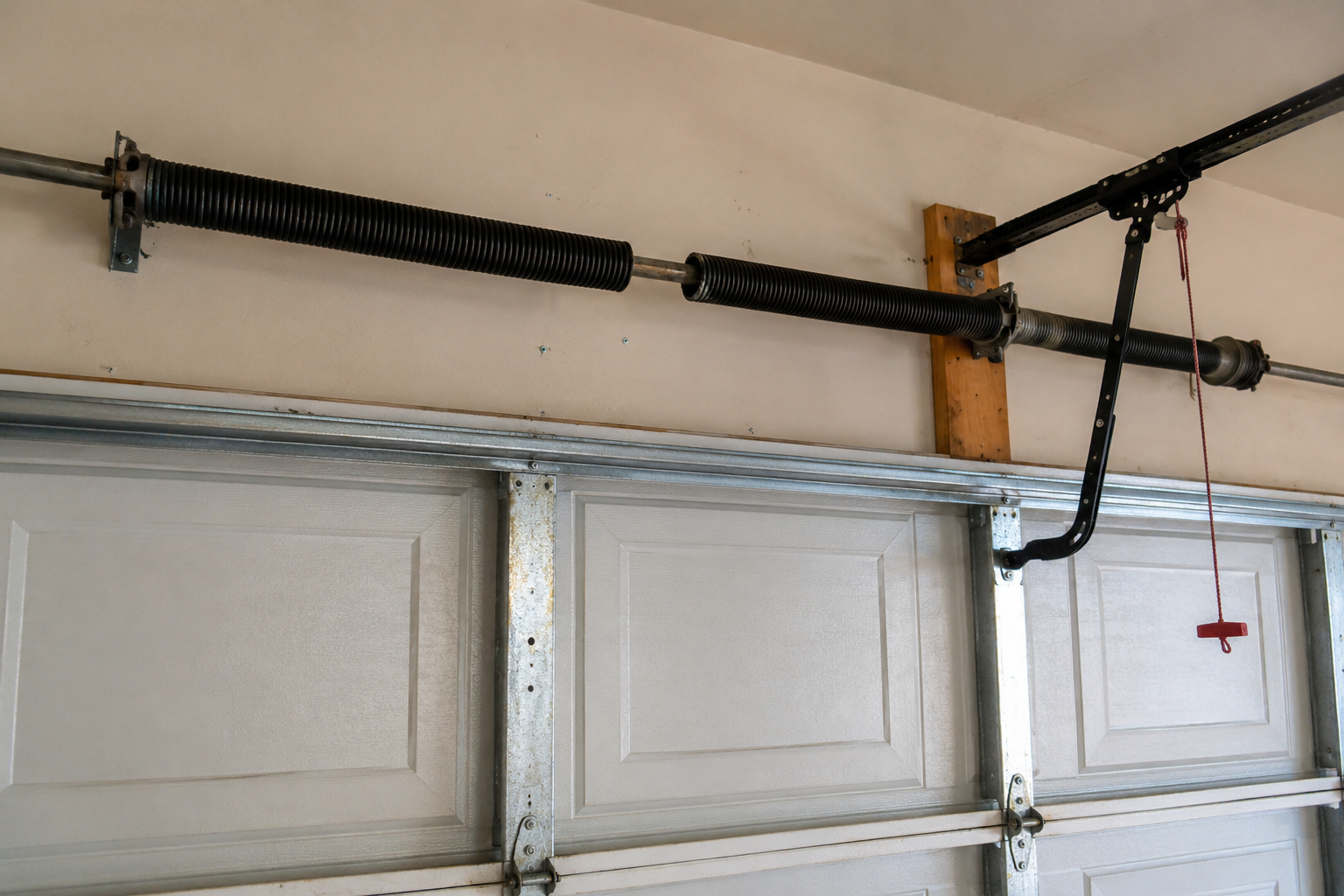
Garage door springs are built to operate under extreme tension, but humidity introduces additional stress that weakens their reliability over time. Moisture promotes oxidation on the spring surface, increasing friction between coils and making the metal more brittle. This not only affects performance but also raises the risk of sudden failure, especially during active door cycles.
Identifying early signs of wear and respecting safety protocols ensures your system remains functional while minimizing the risk of injury or unexpected failure.
Oxidation & Brittleness
Humidity accelerates rust formation on torsion and extension springs. Even light surface corrosion can create microscopic fractures, reducing flexibility and increasing the likelihood of snapping under load.
Coil Friction & Tension Imbalance
As oxidation builds, friction between coils increases. This disrupts the spring’s ability to expand and contract smoothly, leading to uneven tension, poor door balance, and added strain on the entire system.
Early Warning Signs
Watch for visible indicators that signal deterioration before failure occurs. Key signs include rust or discoloration along the coils, gaps or uneven spacing between coils, a dry or rough surface from lubrication breakdown, and noticeable changes in how the door feels when lifted manually.
System Impact
When springs weaken, the garage door opener is forced to compensate for the imbalance. This added workload can accelerate wear on the motor and internal gears, leading to more extensive and costly repairs.
Safety Protocols
Spring systems store significant energy and must be handled with extreme caution.
- Never use improvised tools such as screwdrivers or metal rods for adjustments.
- Always assume the spring is fully loaded and capable of sudden, forceful movement.
- Clear the area of children, pets, and bystanders before any inspection or work.
Seasonal Moisture Expansion and Track Misalignment
Humidity causes surrounding materials like wood framing and drywall to expand. Even a slight expansion can shift garage door tracks out of position, impacting how the door moves. When alignment is off, the door may bind, move unevenly, or place added strain on rollers, hinges, and the opener. Common signs include a crooked appearance during operation, jerky movement, increased noise, or gaps between rollers and the track.
Regularly checking and tightening track brackets, along with maintaining proper vertical and horizontal alignment, helps prevent these issues and keeps the system operating smoothly despite changing conditions.
Preventing Cable Fraying and Drum Slippage
Cables play a central role in lifting and lowering your garage door. In the Kansas City Metro area, they are designed to handle significant tension, but humidity can compromise their strength from the inside out. Moisture can become trapped between the strands, leading to internal corrosion that isn’t always visible immediately.
If a cable weakens or fails, the door can become unbalanced or drop unexpectedly. This makes early inspection essential for both safety and functionality. During your inspection, check for:
- Fraying or “fuzzy” strands along the cable
- Rust near the bottom brackets or drum
- Uneven tension between cables on either side
- Loose or misaligned cable winding on the drum
5 Smart Principles for DIY Garage Door Hardware Maintenance
Maintaining your garage door can be effective when you focus on low-risk tasks and follow a safety-first approach. Staying within safe limits, using the right tools, and prioritizing visible, accessible parts helps you maintain reliability without unnecessary risk.
Use the Right Tools
Always use purpose-built tools designed for garage door systems. Improvised tools increase the risk of slipping, damaging components, or losing control, especially around tension-based parts. Precision tools ensure safer handling and better results.
Treat All Components as High-Tension Systems
Heavy-duty springs and cables store significant energy, even when the door is not in motion. Always assume these parts are fully loaded and capable of sudden movement. Avoid adjusting or interfering with them unless you have proper training and equipment.
Maintain a Clear, Controlled Workspace
Before starting any inspection or maintenance, clear the area of pets, children, and obstacles. A controlled environment reduces distractions and prevents accidental injuries while you work.
Focus on Low-Risk, Visible Components
Prioritize inspecting and maintaining parts like hinges, rollers, tracks, and bolts. These components are easier to access and safer to handle, allowing you to improve function without engaging high-risk systems.
Choose Durable, High-Quality Replacement Parts
When replacing components, select parts rated for your door’s weight and usage cycles. High-quality materials perform better under humidity and temperature changes, reducing long-term wear.
Essential Safety Tools and Equipment
Using the correct safety gear and hardware is critical for preventing injury and damage:
- Professional Winding Bars: Required for any torsion spring adjustments, designed to handle high torque safely
- Locking Pliers: Used to secure the door in place and prevent movement while working
- Protective Gear: Safety glasses and heavy-duty gloves protect against sharp edges and sudden component failure
Know When to Stop
If a task feels complex, unsafe, or beyond your skill level, stop immediately. Forcing adjustments on tension-loaded components can lead to serious injury or system damage. Recognizing limits is a key part of safe and effective maintenance.
Costly Garage Door Maintenance Mistakes with Humidity Damage
Applying grease or multi-purpose sprays to the tracks is one of the most common mistakes. Instead of improving movement, it creates a buildup that traps dust and debris, restricting rollers and increasing resistance. Ignoring door balance is another critical oversight. A door that feels heavy when lifted manually often points to a spring imbalance. In humid conditions, this added load forces the opener and hardware to work harder, accelerating wear.
Early signs like noise, stiffness, or uneven movement should not be dismissed, as moisture amplifies their impact over time. Using oil-based lubricants that attract dirt, lubricating the wrong components, or attempting spring adjustments without proper tools all increase risk and reduce system efficiency.
Continuing to operate a door that feels off-balance or strained only compounds the damage. Addressing these mistakes early keeps your system running smoothly and prevents long-term failures.
A Step-by-Step Garage Door Hardware Inspection You Can Follow
A consistent inspection routine helps you catch small issues before they turn into costly repairs. By following a structured, step-by-step approach, you can ensure every key component is checked, maintained, and functioning properly.
Visual Inspection
Start with a close visual check of the main components. Look for damage, wear, or irregularities that could affect performance. Such as:
- Hinges: Check for cracks, rust, or bending that may weaken movement
- Rollers: Ensure they rotate smoothly without wobbling or visible wear
- Cables: Look for fraying, corrosion, or loose strands
- Springs: Inspect for rust, gaps, or signs of stress or damage
Hardware Check
After the visual inspection, focus on structural stability. Tighten any loose bolts or brackets along the tracks and confirm that all mounting points are firmly secured. Properly secured hardware prevents vibration, misalignment, and long-term wear.
Cleaning and Lubrication
Clean the tracks using a dry cloth to remove dust and debris that can interfere with movement. Apply a silicone- or lithium-based lubricant to moving parts like hinges, rollers, and springs. Avoid lubricating the tracks, as this can attract buildup and restrict motion.
Balance and Operation Test
Disconnect the opener and manually lift the door halfway. A properly balanced door should stay in place without drifting up or down. As you operate the door, listen for unusual sounds such as grinding or squeaking, which may indicate friction or misalignment.
Frequently Asked Questions
How often should I lubricate my garage door hardware in Missouri?
You should lubricate your rollers, hinges, and springs every six months. In high-humidity areas like Gladstone, a quarterly application of a silicone-based or lithium-based spray can provide a better barrier against moisture than standard oils.
Can I replace my own garage door springs?
Yes, provided you have the correct knowledge and tools. You must use professional winding bars and follow all safety protocols to manage the tension. If you feel unsure, it is safer to stop and consult a professional.
What are the best rollers for humid climates?
Nylon rollers with sealed ball bearings are ideal for the Kansas City Metro area. They operate more quietly than steel, and the sealed bearings prevent moisture and salt from causing internal rust
Explore our professional-grade parts and DIY solutions at U-Install Garage Doors to keep your system running smoothly through Missouri’s toughest conditions. Call us at 816-745-1372 or stop by our Gladstone location to find the right fit for your next repair or upgrade today.
Recent Posts