Roll-Up vs. Curtain Doors: The Right Storage Door
If you manage a self-storage facility or industrial property in the KC Metro, the door you pick affects your maintenance costs for years. Curtain doors work best for standard self-storage units because they save space and cost less to maintain. Rolling steel doors are the better call for heavier industrial openings that face constant wind load. The right choice comes down to your headroom, your usage frequency, and how much wind and traffic your doors take on.
This guide breaks down the real differences between these two door types, what wears out first on each one, and how to keep a multi-unit property running without surprise repair bills.
What Is a Curtain Door, and Why Does Self-Storage Use It?
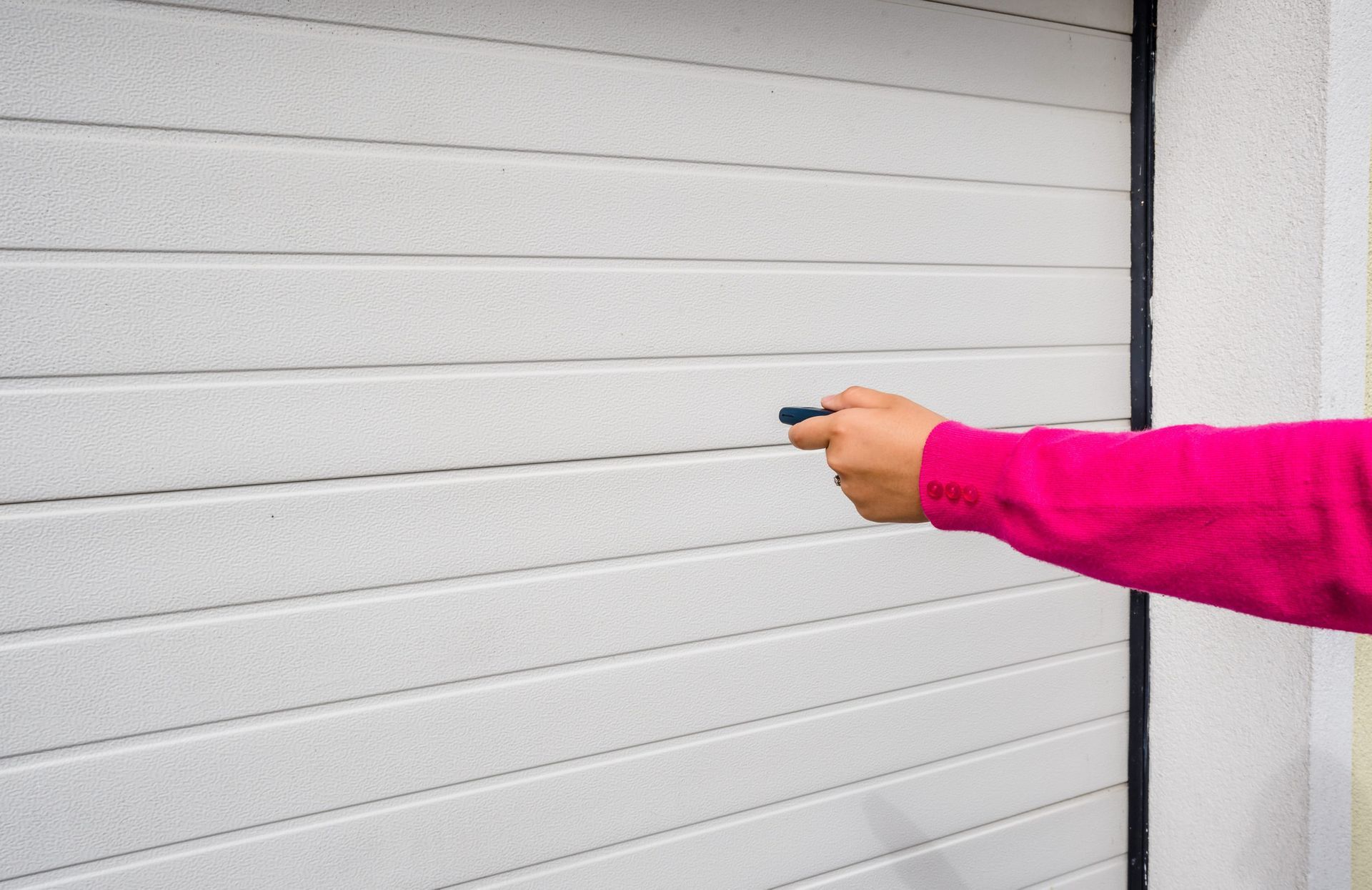
A curtain door is a corrugated steel door that coils up into a compact drum above the opening. It is the industry standard for self-storage because it takes up very little headroom and keeps the unit interior maximized for storage space.
Picture the classic roll-up door on a storage unit. That slatted steel curtain rolling into a tight coil above the frame is exactly what gives the design its name. The slats interlock, which spreads the load across the whole curtain instead of concentrating stress on a single panel. That is part of why these doors hold up well on units that get opened and closed several times a day by different tenants.
The tradeoff is thickness. Curtain doors use a lighter gauge steel than rolling steel doors, which keeps them affordable and easy to operate by hand. For a standard 10x10 or 10x20 storage unit, that lighter build is usually plenty. For a facility that faces open fields or sits along a windy corridor, it is worth checking the gauge before you order a full run of replacement units.
What Is a Rolling Steel Door, and When Do You Need One?
A rolling steel door is built with a heavier gauge steel and reinforced wind-load rating, made for openings that need more structural strength than a standard curtain door offers. This makes it the better fit for industrial bays, loading docks, and larger commercial openings.
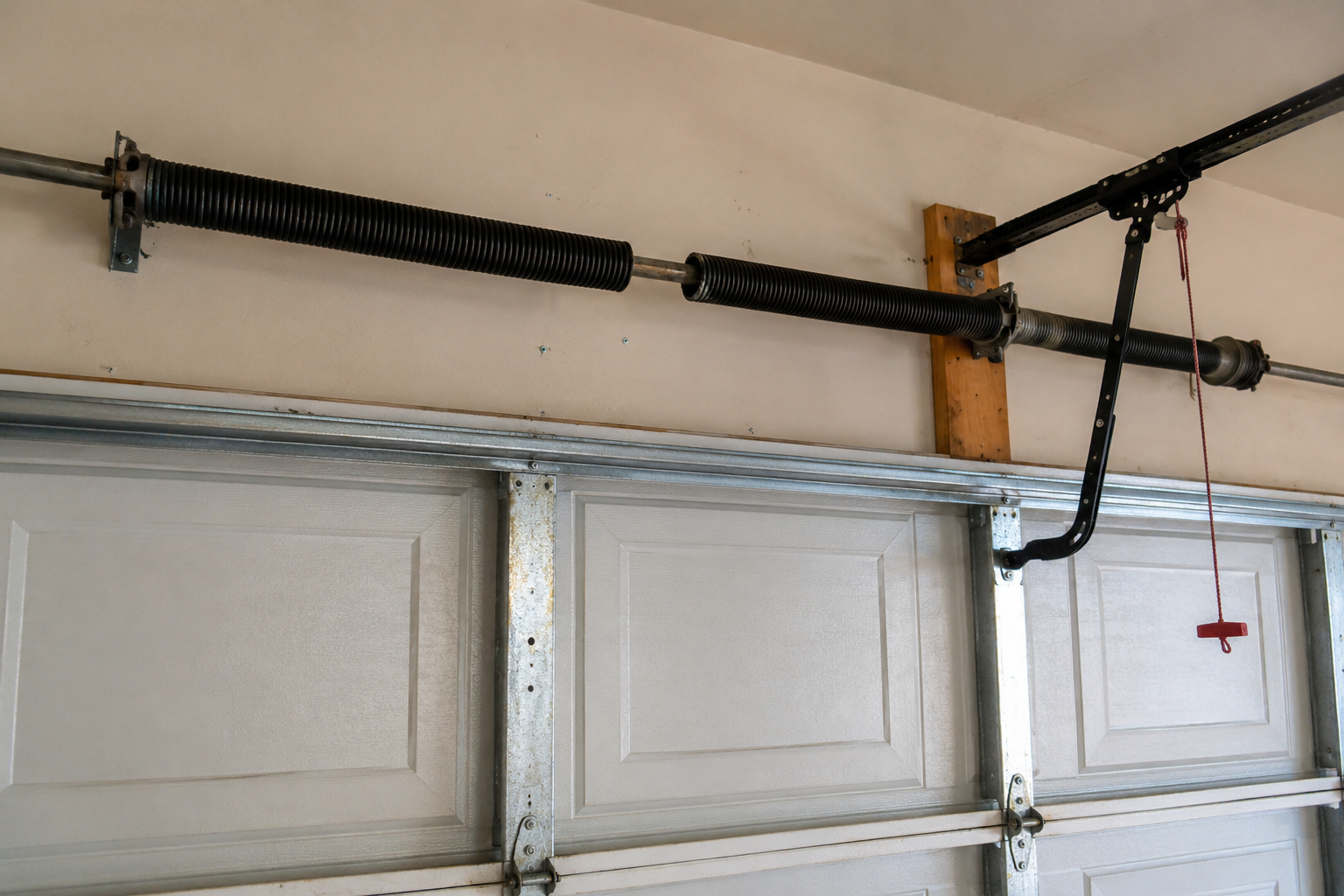
The extra thickness changes how the door behaves under stress. A rolling steel door resists denting and bowing better when it takes a hit from a forklift or a gust of wind pushing against the panel. The springs and drums are also rated for heavier cycling, which matters if the opening gets used dozens of times a day rather than a handful.
Kansas City weather is part of the calculation here. Spring storms roll through the metro with real wind gusts, and a door rated for standard residential use will show stress faster on an exposed industrial opening than one built with proper wind-load reinforcement. If your property sits along the I-35 corridor or in an open commercial park with little windbreak, a rolling steel door is worth the extra upfront cost.
Curtain Doors vs. Rolling Steel Doors: A Side-by-Side Comparison
The short version: curtain doors win on space and cost, rolling steel doors win on strength and wind resistance. Here is how they stack up on the details that actually affect a facility manager's budget.
| Factor | Curtain Door | Rolling Steel Door |
|---|---|---|
| Steel Gauge | Lighter | Heavier |
| Headroom Needed | Minimal | Moderate to significant |
| Best Use Case | Self-storage units | Industrial bays, loading docks |
| Wind-Load Rating | Standard | Reinforced |
| Cycle Frequency Tolerance | High for light use | High for heavy use |
| Typical Maintenance | Slat replacement, track cleaning | Panel repair, spring and drum service |
| Relative Cost | Lower | Higher |
Neither option is universally "better." A facility with 200 small self-storage units and light tenant traffic gets more value from curtain doors across the board. A facility with a handful of large industrial bays that see constant forklift and truck traffic needs the reinforcement a rolling steel door provides. Many properties in the area end up using both, matched to the specific opening.
Headroom: The Detail Everyone Forgets to Measure
Headroom is the single biggest factor that decides whether a curtain door or a rolling steel door will physically fit your opening. Curtain doors need the least clearance above the frame, while rolling steel doors typically need more room for the drum and hardware.
This matters more than people expect. A property manager will order a replacement door based on the opening's width and height, then discover during install that the drum housing does not clear the ceiling joists or an overhead sprinkler line. That is a costly mistake to catch late.
Before you order, measure the actual clearance above the header, not just the door opening itself. If you are unsure what your current setup can support, send a photo of your header and jambs along with your door's manufacture tag. Matching the technical specs to your existing structure the first time saves a second trip and a restocking fee. You can check the full spec guide for both door types on the Roll-Up & Storage Unit Doors page.
Common Wear Points on Curtain Doors
Curtain doors wear out at the slat joints and the guide tracks first, long before the springs typically fail. Catching this early prevents a jammed door that strands a tenant's belongings inside.
The interlocking slats that make curtain doors so efficient are also their weak point over time. Repeated cycling causes the interlocks to loosen slightly, and dirt or debris in the tracks accelerates that wear. On a facility with hundreds of units, even a small amount of neglect per door adds up to a steady stream of service calls.
A few things to watch for on curtain doors specifically:
- Slats that rattle or shift when the door is partway open, which signals loosening interlocks
- Track buildup from dust, gravel, or debris that keeps blowing in with strong seasonal wind
- A curtain that catches or hesitates at the same spot every time, which usually means a bent guide rail rather than a spring problem
- Latch hardware that no longer seats fully, which is a security issue as much as a mechanical one
Most of these are parts-and-maintenance issues rather than full door replacements. Keeping slats, guide track sections, and latch hardware in stock for your specific door model means your on-site team can fix these the same day instead of waiting on a shipment.
Common Wear Points on Rolling Steel Doors
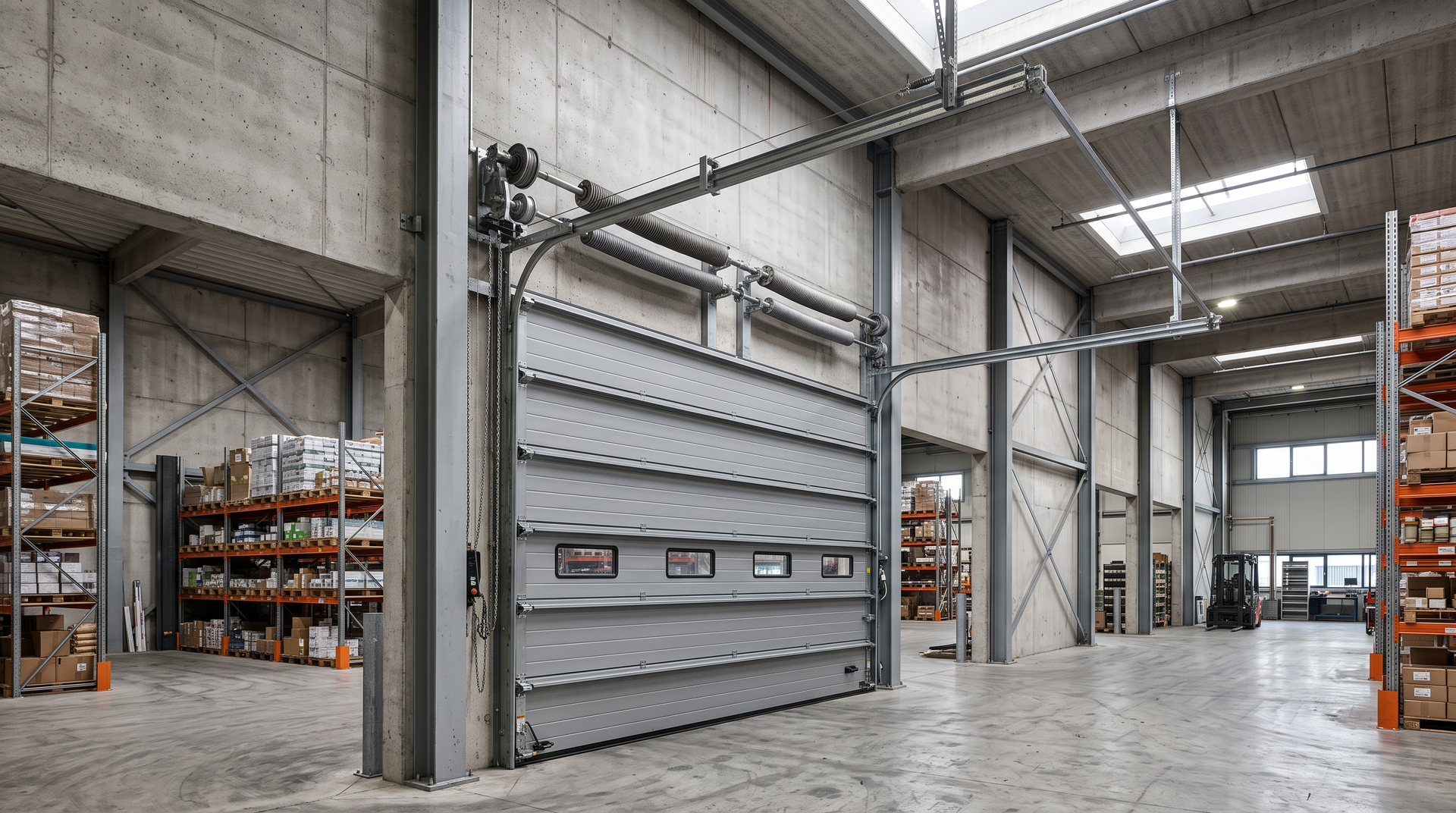
Rolling steel doors typically show wear in the spring and drum system first, since that hardware carries more tension to manage the heavier panel weight. Bottom bar seals and weather stripping are the next most common failure point.
Because rolling steel doors handle more weight, their torsion springs work harder on every cycle. On a high-traffic loading dock, that means the springs reach the end of their rated cycle life faster than a lighter curtain door would. Facility managers who track cycle counts, rather than just calendar time, get a much better read on when a spring is approaching the end of its service life.
The bottom bar and its seal are the other area that takes a beating, especially at ground level where trucks, forklifts, and weather all make contact. A worn bottom seal lets in drafts, pests, and water, which is a bigger deal on a climate-controlled facility than it might seem at first glance.
Wind Load: Why It Matters More Than People Realize
Wind load is the amount of force a door panel and its hardware are engineered to withstand before flexing or failing. In the Kansas City area, where spring storms bring sustained high winds, this rating directly affects how often a facility deals with damaged doors.
A lot of facility managers assume wind load only matters for garage doors on homes exposed to open fields. In reality, any large door opening acts like a sail once wind gets behind it, especially on a building with multiple doors on the same exposed wall. A door that is not rated for the wind conditions on your property is more likely to bow, jump its tracks, or blow completely off its guides during a bad storm.
Every part in stock, from the tracks to the tension springs, is rated for the kind of wind conditions this region sees. If you are replacing doors on a property that has had wind damage before, it is worth confirming the wind-load rating on the replacement, not just matching the old spec.
Sizing and Ordering: Getting It Right the First Time
Getting the size and gauge right on the first order is the difference between a same-day fix and a week of downtime waiting on a return shipment. The safest way to confirm a match is to send a photo of the door or its manufacture tag before ordering.
Manufacturers can take 12 weeks or more to fill an order for these doors, and that lead time is brutal when you are managing dozens or hundreds of units and one is stuck open or closed. Big-box retailers generally do not stock heavy-duty curtain and roller doors at all, which leaves facility managers stuck waiting on special orders even for routine wear-and-tear replacements.
That is why the inventory here runs on a faster model. Standardized sizes stay in stock, with typical delivery in three weeks or less, which is a fraction of the manufacturer lead time. Every order gets checked against your existing header and jamb measurements before it ships, so you are not guessing on tension or track offset. Same goes for high-speed door components on the industrial side, where the lead-time problem is just as painful. Details on that side of the inventory are on the High-Speed Doors page.
The "Crash Kit" Approach for Multi-Unit Facilities
A crash kit is a stocked set of the most commonly needed parts, like slats, springs, and latches, kept on-site so a maintenance team can fix a problem the same hour it happens instead of waiting on a delivery. This approach makes the most sense for any property managing more than a handful of doors.
If you are running a facility with a large number of storage units, waiting on individual part orders every time something breaks is not sustainable. Spec out a small inventory of the parts that fail most often on your specific door models, and your on-site team gets an instant fix option any time a tenant reports a stuck or damaged door. This keeps your occupancy rates high, since tenants do not tolerate an inaccessible unit for long, and it keeps your maintenance costs predictable instead of reactive.
Facility managers across the metro can get these kits put together directly, along with bulk pricing for larger orders and proactive inventory management, so nobody gets caught flat-footed during peak moving season. Full details on how this works are on the Facility Manager Support page.
Maintenance Habits That Extend the Life of Either Door Type
A few basic habits, done consistently, extend the service life of both curtain doors and rolling steel doors by years. None of these require special tools or expertise, just a regular schedule.
Clear the tracks of debris on a monthly basis, especially after windy stretches when dust and gravel tend to build up. Check that the door glides smoothly through a full open-close cycle without catching or hesitating, since a small snag today is a bigger repair tomorrow. Inspect latch hardware and bottom seals for wear on a quarterly basis, since these are cheap parts to replace proactively and expensive problems to ignore. Keep a small stock of the fasteners, rollers, and seals specific to your door models so small fixes do not turn into multi-day waits.
For facility managers overseeing multiple properties, building this into a simple seasonal checklist, spring after storm season and fall before winter, catches most issues before they become tenant complaints.
Choosing Between the Two for a New or Replacement Opening
If you are outfitting a new self-storage facility or replacing aging doors, match the door type to the opening's actual use rather than defaulting to whatever was there before. Standard self-storage units almost always call for curtain doors. Loading docks, industrial bays, and heavily trafficked commercial openings call for rolling steel doors.
It also helps to think about future flexibility. If a facility might convert smaller units into larger commercial bays down the line, it may be worth spec'ing rolling steel doors on those openings from the start, even if current use does not strictly require it. That avoids a full re-do later.
Whatever the mix of doors on your property, standardizing on models with parts already in stock means faster fixes and simpler inventory planning for your maintenance team going forward.
Frequently Asked Questions
What is the main difference between a curtain door and a rolling steel door?
Curtain doors use lighter-gauge steel and need less headroom, making them the standard choice for self-storage units. Rolling steel doors use heavier-gauge steel with reinforced wind-load ratings, making them better suited to industrial bays and loading docks. The right choice depends on the opening's use, traffic level, and wind exposure.
How do I know what size door my storage unit needs?
The safest way is to send a photo of your current door or its manufacture tag rather than guessing at measurements. This makes it possible to match the technical specs, including tension and track offset, to your existing header and jambs. Guessing on sizing is the most common cause of ordering the wrong replacement.
Why does wind load matter for a storage facility in this region?
Spring storms bring strong winds that put real pressure on large door openings, especially on exposed or multi-door walls. A door without the proper wind-load rating is more likely to bow, jump its tracks, or fail during a storm. Confirming wind-load rating matters as much as confirming size when ordering replacement doors.
How fast can I get a replacement door if one breaks?
Manufacturers typically quote 12 weeks or more for these doors, and big-box retailers generally do not stock them at all. We keep standardized sizes in stock and can usually deliver in three weeks or less.
What is a crash kit, and does my facility need one?
A crash kit is a small on-site inventory of the parts that fail most often, like slats, springs, and latches, so your maintenance team can make instant repairs without waiting on a delivery. Any facility managing more than a handful of doors benefits from having one, since it keeps units accessible and maintenance costs predictable.
Get the Right Storage Door Parts for Your Property
Choosing between a curtain door and a rolling steel door comes down to matching the door to the opening. Self-storage units generally call for the space-saving curtain design, while industrial bays and high-traffic openings need the strength of a rolling steel door built for real wind load. Getting the gauge, headroom, and sizing right the first time keeps your facility running and your tenants happy.
U-Install Garage Doors stocks the curtain and rolling steel door parts that Kansas City Metro facilities depend on, from slats and latches to springs rated for the region's wind conditions. Facility managers get help spec'ing out the right door for each opening, building crash kits for faster on-site repairs, and skipping the 12-week manufacturer wait with parts already on the shelf. If you manage a self-storage property or industrial facility anywhere in the KC Metro, upload a photo of your door or
get in touch and we will help you spec the exact match for your opening.
Recent Posts